
AAGFF 2026: The Curatorial Framework of ‘Space Enter Shift’
2026-05-12
Silke Schmickl and the AAGFF Festival Team
When we typed ‘Space Enter Shift’ into DeepSeek, the AI recognised it as a reference to a computer keyboard and asked if we were looking for a specific shortcut or solution. What began as a test of how a machine might interpret this year’s AAGFF title revealed an alignment with our own thinking. We were, in fact, inspired by the basic functions of these keys: ‘space’, which inserts a blank character; ‘enter’, which confirms input or begins a new line; and ‘shift’, which modifies other keys. The title acknowledges the importance of technology in the creation and reception of time-based art forms while inviting audiences to enter an alternative space and be shifted by our collective festival experience.
The curatorial team has contemplated many aspects of space as a form and subject matter. We examined spaces that both connect and divide us, parallels across generations and geographies, worlds that we cherish and desire, and realities that we urgently want to fix. By presenting pluralistic forms of creativity and discourse, we aim to open up new perspectives and loosen the constraints of rigid artistic and societal systems symptomatic of the present. To begin this study of ‘space’, we launched three editions of the ‘Avant-Garde Now’ series to examine distance (‘Here from Afar’), invisibility (‘Hidden Spaces’), and orientation (‘Wayfinding’) since December 2025. Together, these programmes built towards ‘Space Enter Shift’, informing the shape of this year’s edition.
Two fundamental aspects of the multifaceted concept of space crystalised through the curatorial process. Firstly, space as a formal element of artmaking and a mode of presentation, particularly within lens-based practices. We examine how composition, perspective, geometry, alienation, and abstraction, together with lens and sound technologies that manipulate focus, distortion, reverb, and editing, construct augmented experiences of space. Selected programmes invite audiences to visualise space across various scales, from the intimacy of a bedroom featured in ‘A Room of One’s Own’ to the vastness of the universe in ‘Quest: Journeys in Mind and Space’, which traverses both the physical world and the inner cosmos of human consciousness. Elsewhere, audiences are taken from the Thai countryside in Rirkrit Tiravanija's Lung Neaw Visits His Neighbours to urban architectures in ‘No Mere Construct: Architecture on Screen’ and into the in-between spaces of exile and dreams with works by Raymond Red, Apichatpong Weerasethakul, and Basma al-Sharif, among others.
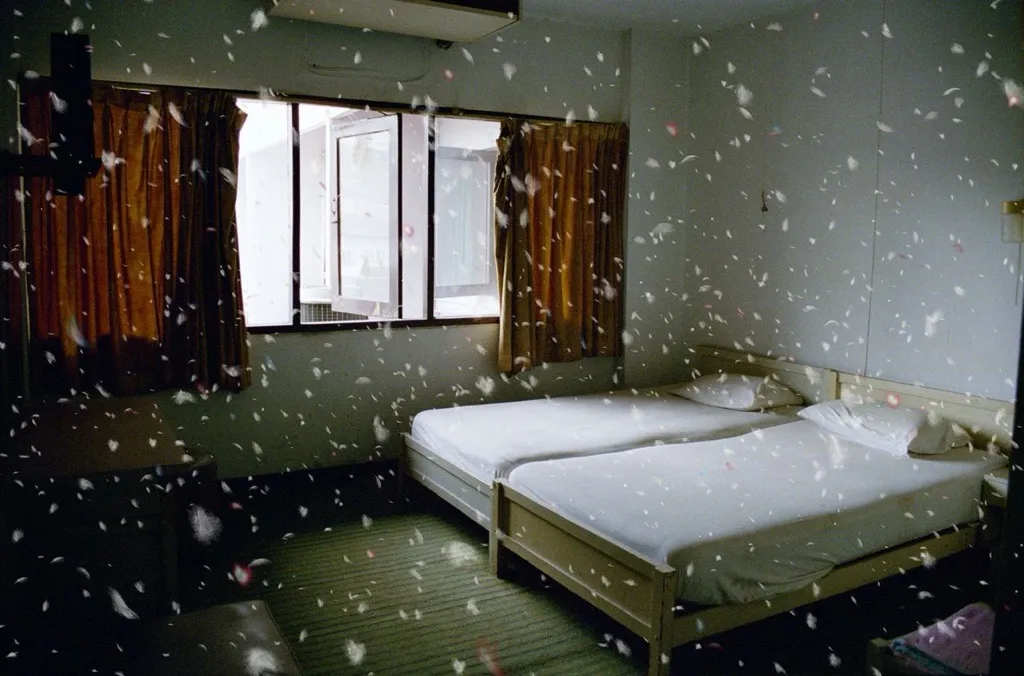
Apichatpong Weerasethakul. Emerald, 2007. Photo: Courtesy of the artist.
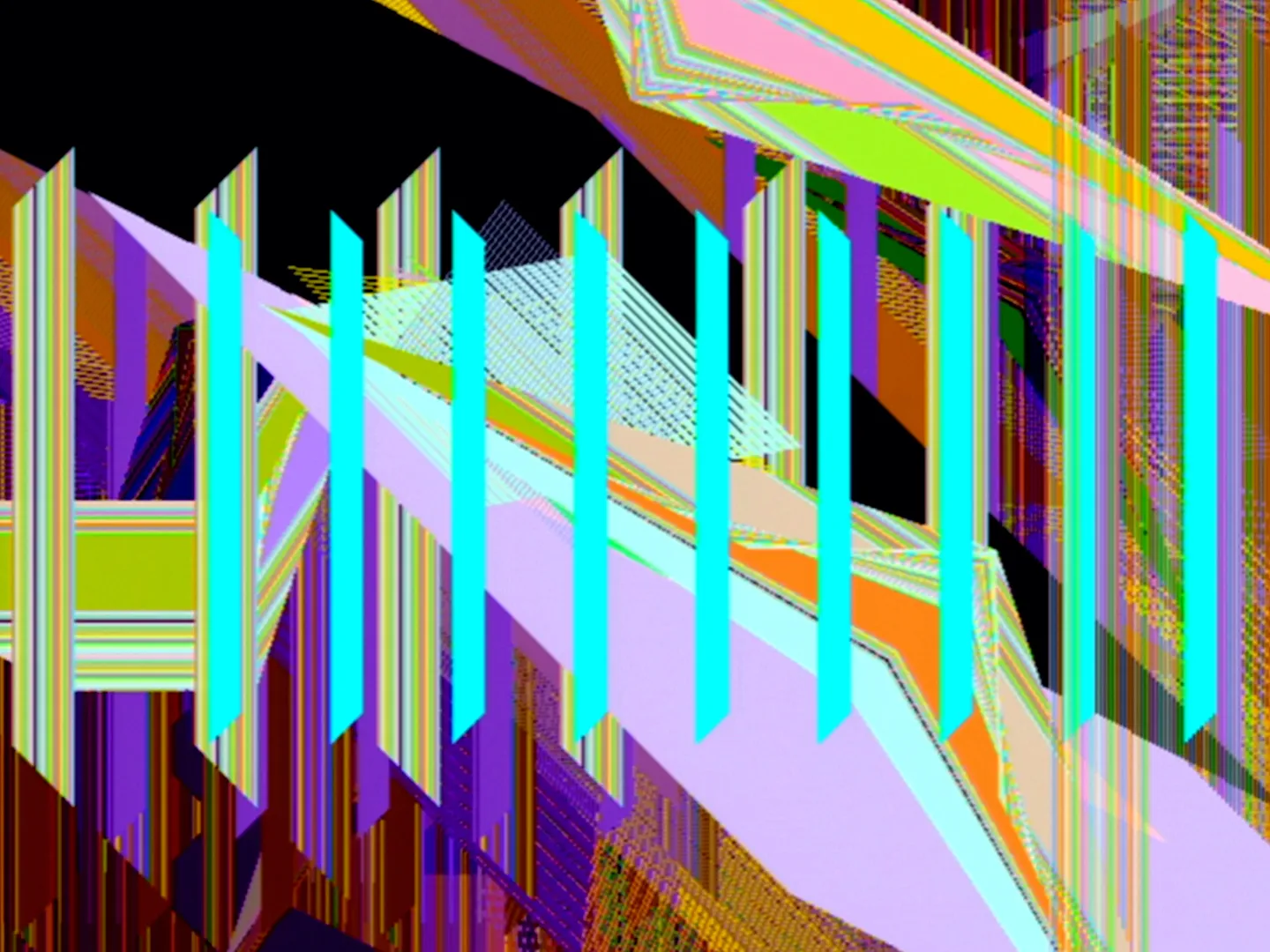
Samia Halaby. Still from BEIRUT, 1993–2025. Photo: Courtesy of Sfeir-Semler Gallery
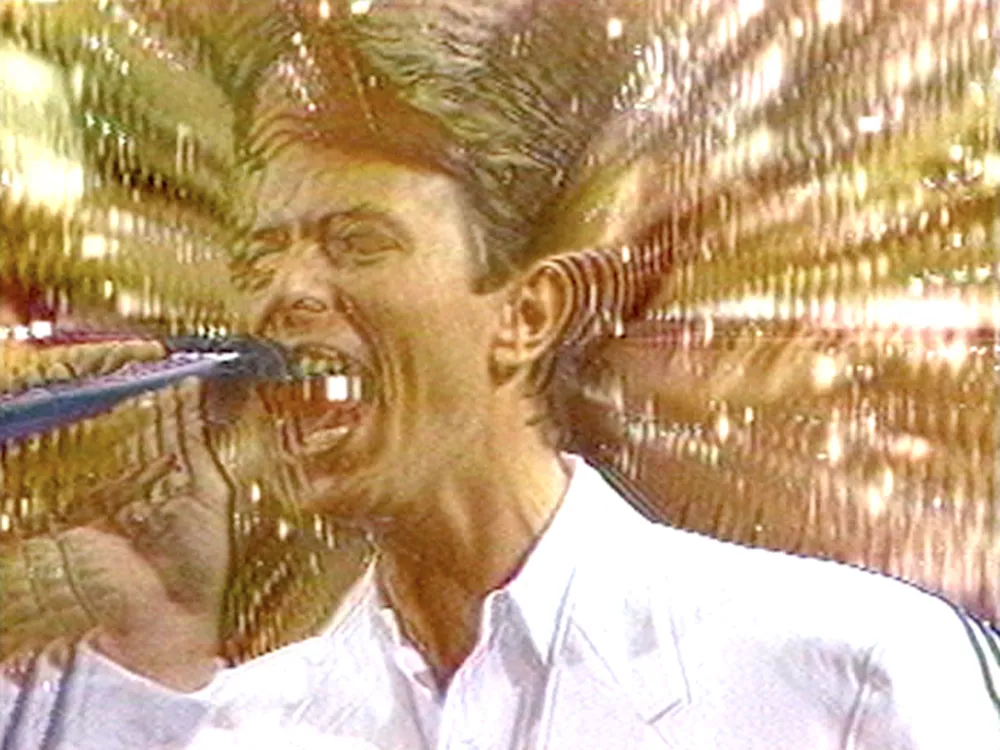
Nam June Paik. Wrap Around the World, 1988. © Nam June Paik/Electronic Arts Intermix
Secondly, space as a way of structuring the world. This concerns how we experience and understand the world: its underlying systems, geopolitics, histories, and emerging orders. Here, space is approached not only as a network of relationships but also as a site of territorial boundaries and a reflection of humanity’s drive for expansion. A number of works in this edition analyse the flipside of such expansion—encroachment—through the transgression of ethical boundaries, the lingering haunt of colonialist memories, and the infliction of harm on bodies and environments. Films by Larissa Sansour and Søren Lind—presented for the first time in Hong Kong—together with ‘Ecologies, Economies, Trajectories’, offer food for thought on such intertwined topics. Across the festival programme, artists critically engage with territorial divisions, struggles over power and capital, and regimes of surveillance—seen, for instance, in Xu Bing’s contributions—alongside an increasing fluidity between physical and virtual realities, made tangible in Zheng Mahler’s virtual reality experience. These convergences reveal unexpected connections across artistic practices. While critical in nature, they also suggest new forms of community within our globalised digital world, even amid ecological and geopolitical crises.
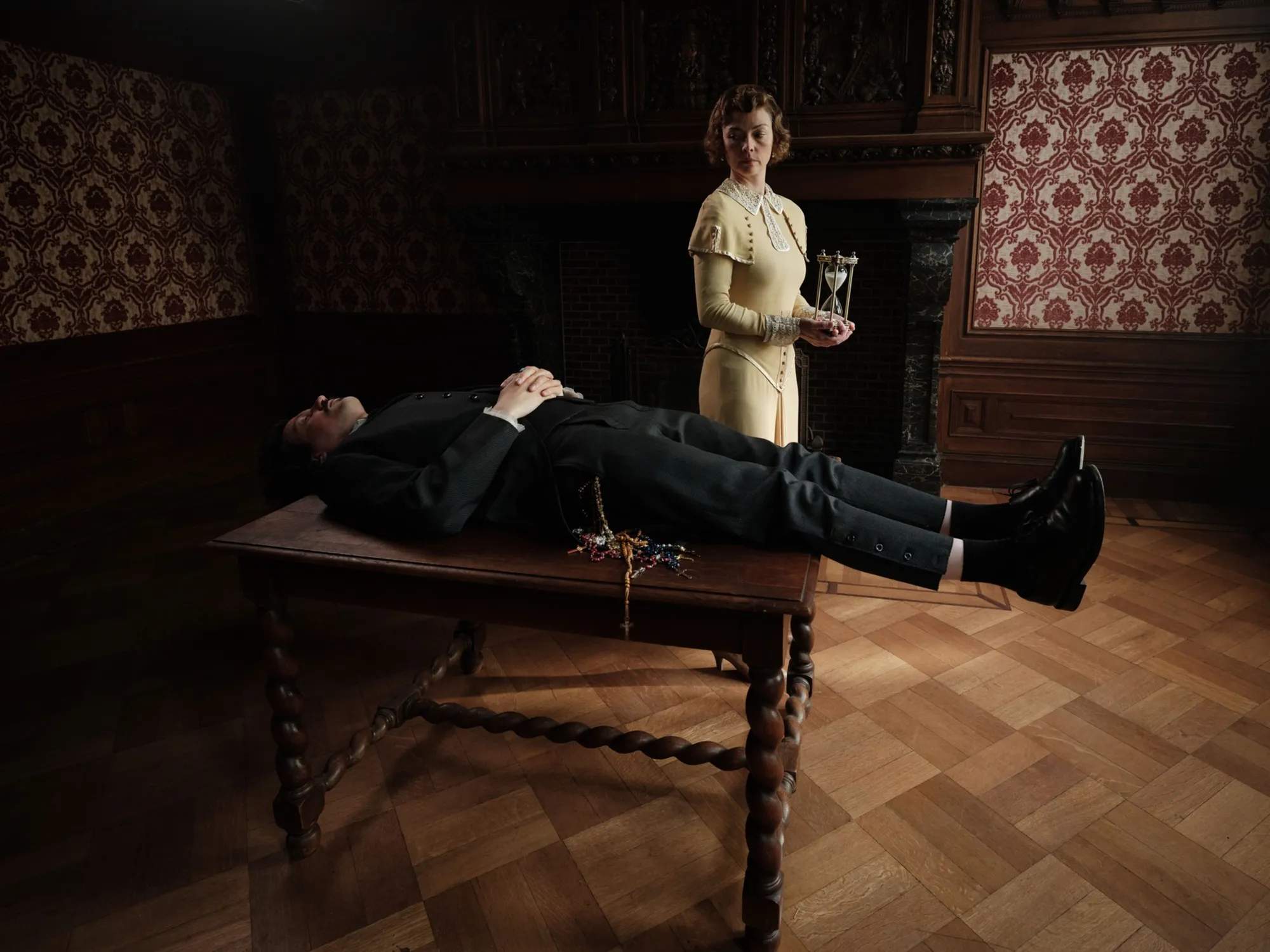
Larissa Sansour, Søren Lind. A Sunken Tale of Losses Delayed, 2026. Photo: Courtesy of the artists.
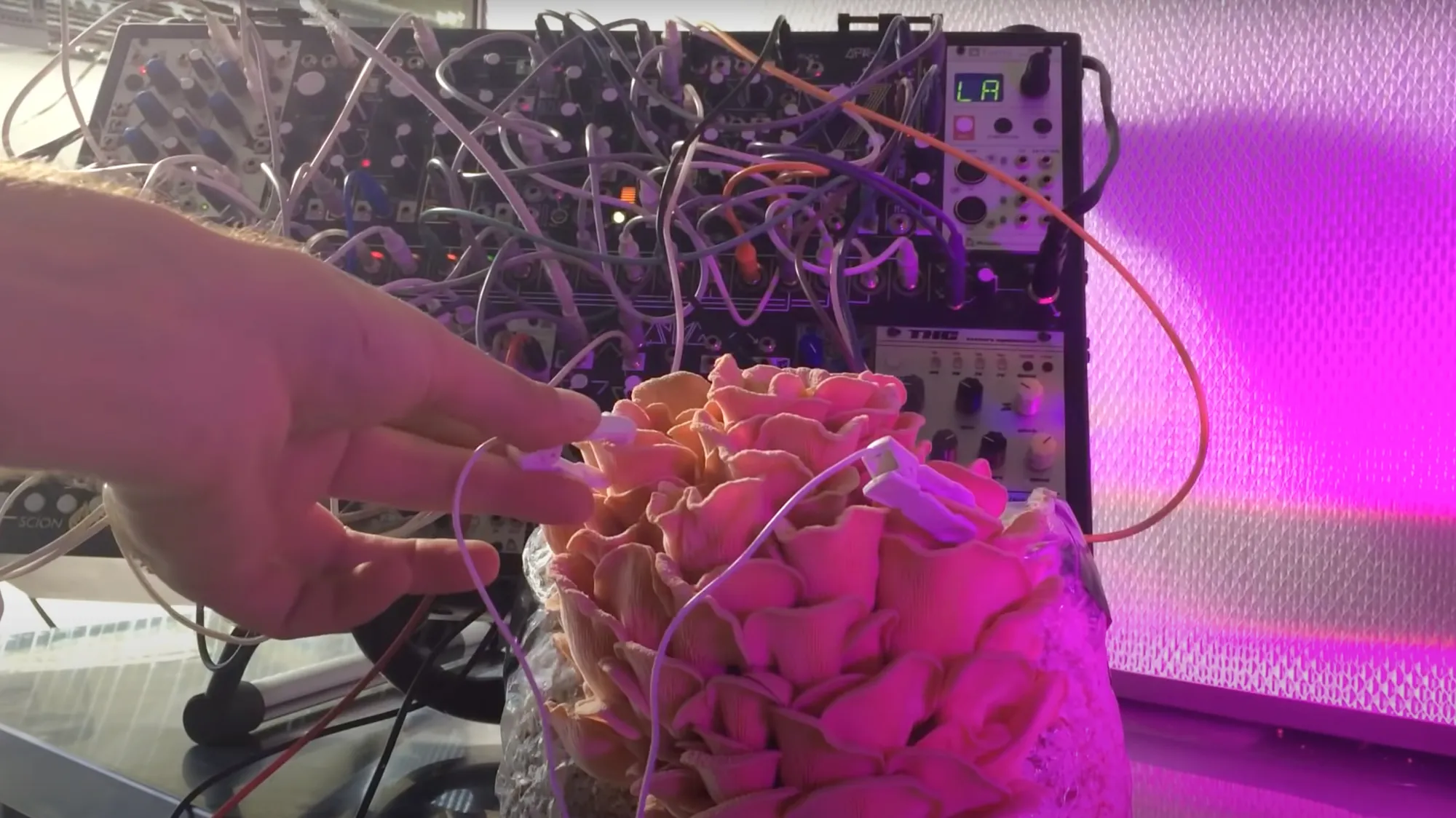
Yuyan Wang. Screen capture from Green Grey Black Brown, single-channel video, 11'30, 2024. Photo: Courtesy of the artist.
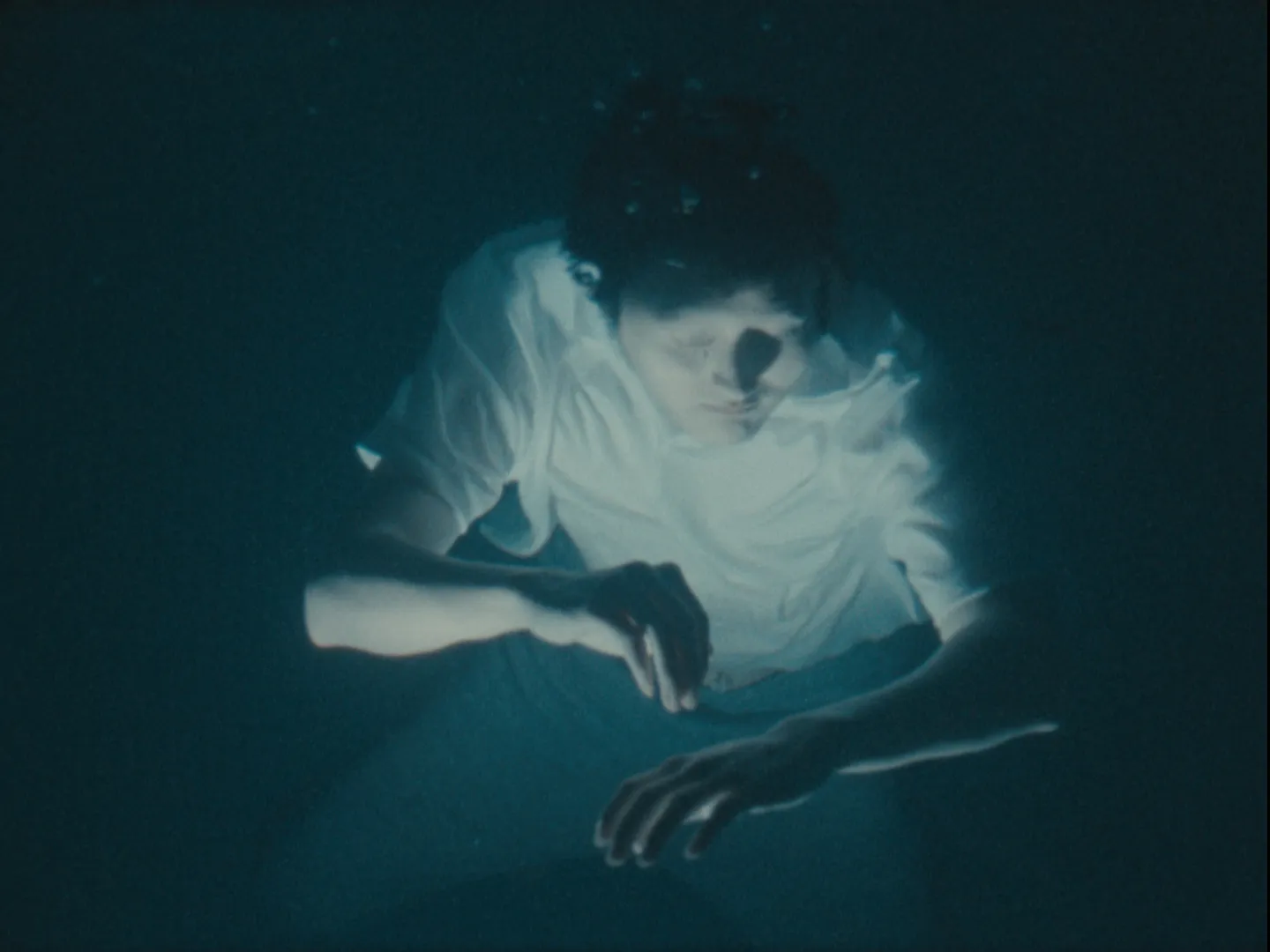
Cici Wu. Unfinished Return of Yu Man Hon, 2019. M+, Hong Kong. M+ Council for New Art Fund, 2021. © Cici Wu. Chin Family Home Videos Archive Footage, Marcela Dear Collection, Courtesy of Museum of Chinese in America (MOCA).
Korean design studio BOWYER has pertinently translated the festival’s multi-layered formal, conceptual, and thematic concerns into three dynamic key visuals. At the centre are four animated squares: an eyeball, a compass, a loading icon, and a classic movie countdown frame. These elements sit atop shifting planes of outer space, seascape, skyscape, grassland, and concrete surface, interwoven with geometric grids, organic lines, and rotating telescopes. This richly layered visual landscape suggests an ongoing dialogue and negotiation between human and machine perceptions, as well as between physical and mediated realities.
The AAGFF 2026 trailer with key visuals designed by BOWYER.
It is precisely these intersections—fluid and unstable connections across physical, virtual, and imaginary realms—that ‘Space Enter Shift’ intends to activate. Our approach prioritises empirical research, interdisciplinarity, and adventurous approaches over medium-specific canons while remaining grounded in the rigorous and original practices of artists from this region. Together, they begin to draw a new map of Asia’s visual culture, one in which affinities and divergences across time and place can be productively explored.
This is the interrelationality we hope to foreground: an interwoven field in which each point both informs and is informed by others. Narrative moments may fade into the past, only to return and unfold anew in the future. In response to DeepSeek’s initial query, this edition does not seek to resolve a single problem or propose a shortcut. Rather, it marks a sustained engagement with historical and contemporary avant-garde practices in Asia, with the aim of fostering a lasting community of like-minded artists and audiences who, like the many keys of a keyboard, co-write new chapters of history.
Silke Schmickl is CHANEL Senior Curator, Head of Moving Image at M+.