
A Way with Sound: An Interview with Daham Park
2026-05-15
Korean sound artist and DJ Daham Park has been active in the experimental music scene since 2005. His musical interests span from older Asian music to contemporary sounds, reflected in the tracks he collects through encounters with local scenes, raves, studios, and people across different regions. His practice brings together communities, actions, and sounds to create shared experiences. For this edition of AAGFF, Park has curated a series of music sets around the theme of ‘space’, inviting audiences to reflect on the past, feel activated in the present, and dream about the future.
This article is trimmed from an interview published in collaboration with Hong Kong Community Radio (HKCR). Read the full version here.
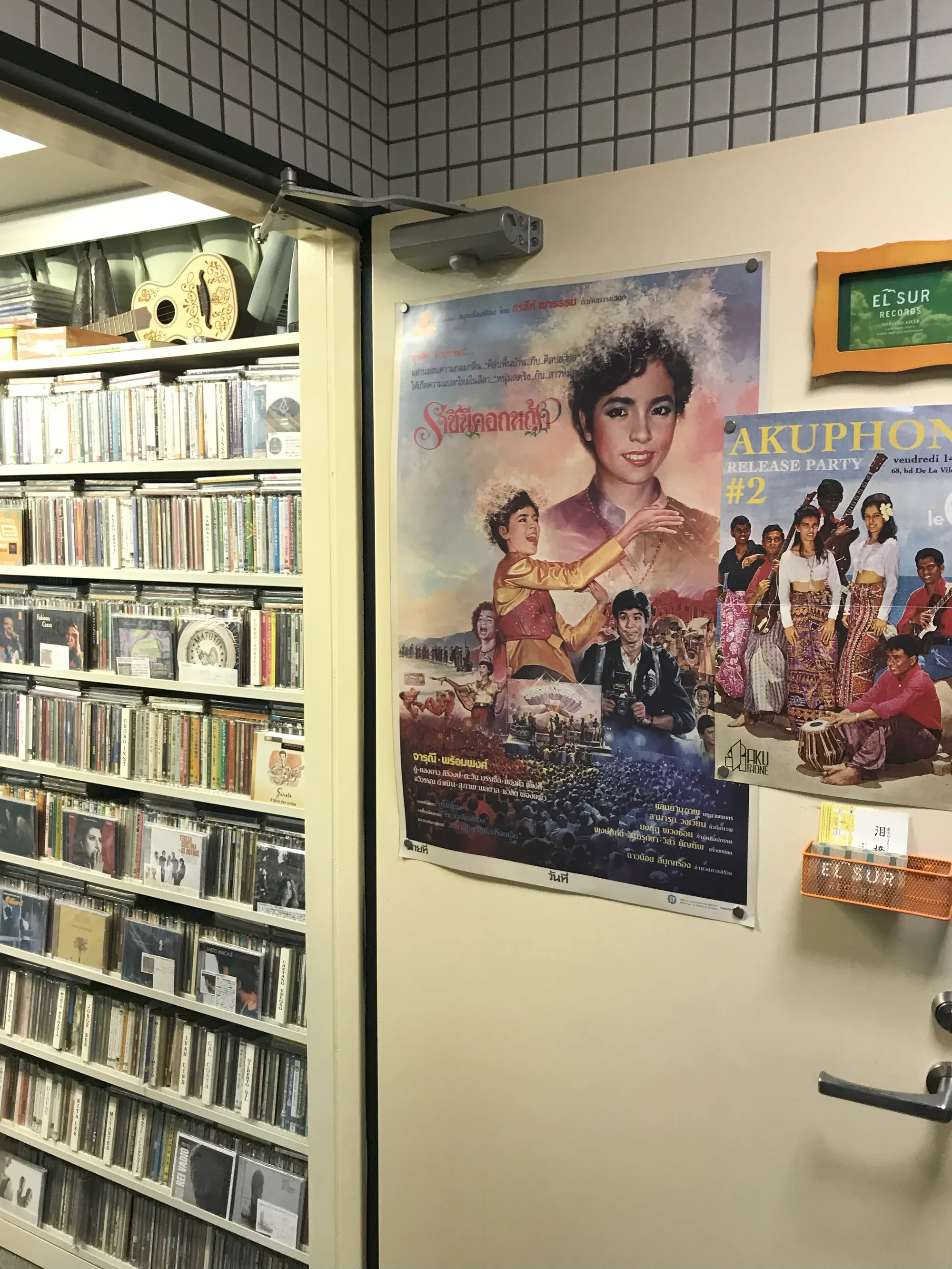
Photos from Park’s visits to record shops across Asia. Photo: Daham Park
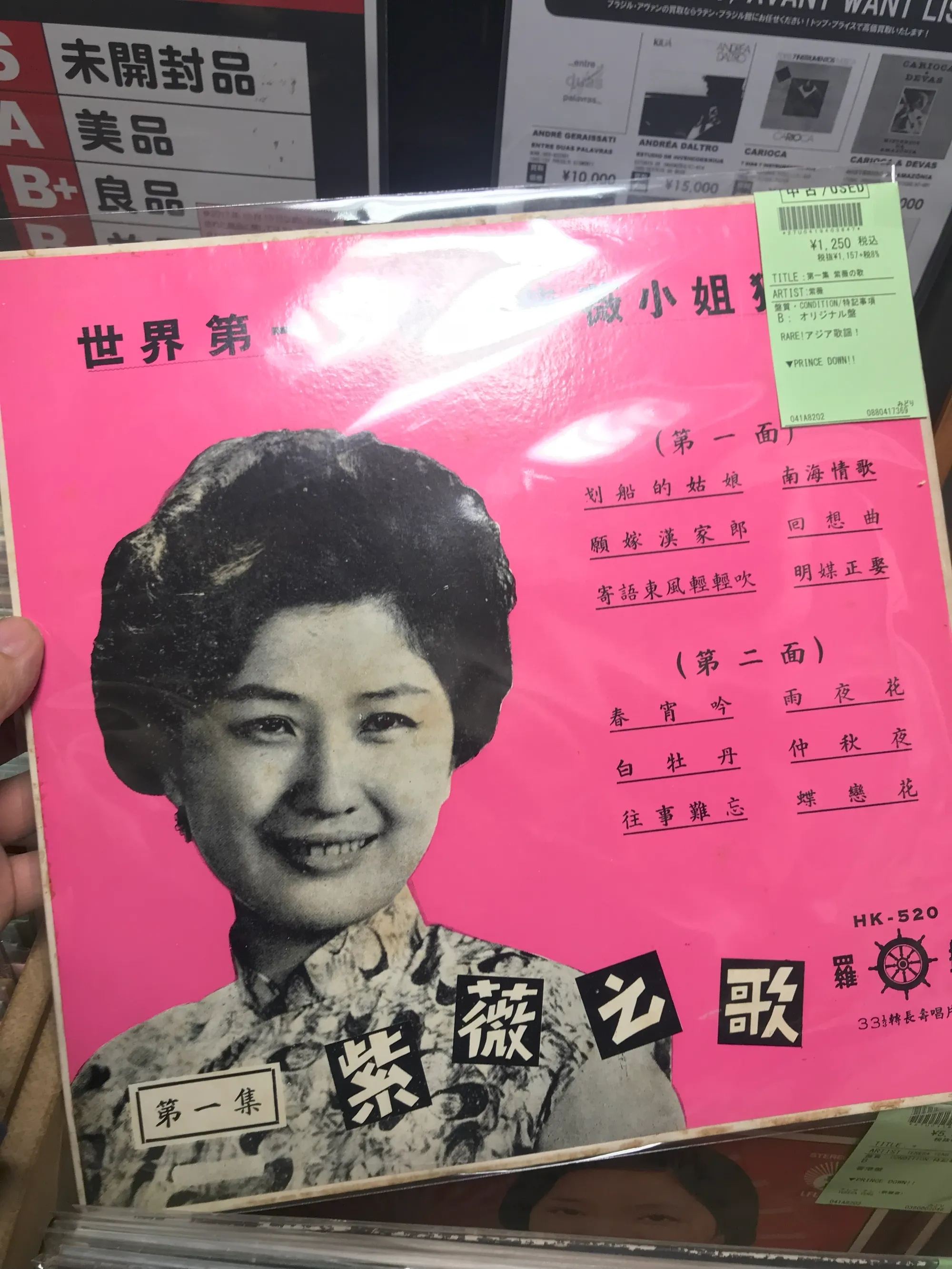
Photos from Park’s visits to record shops across Asia. Photo: Daham Park
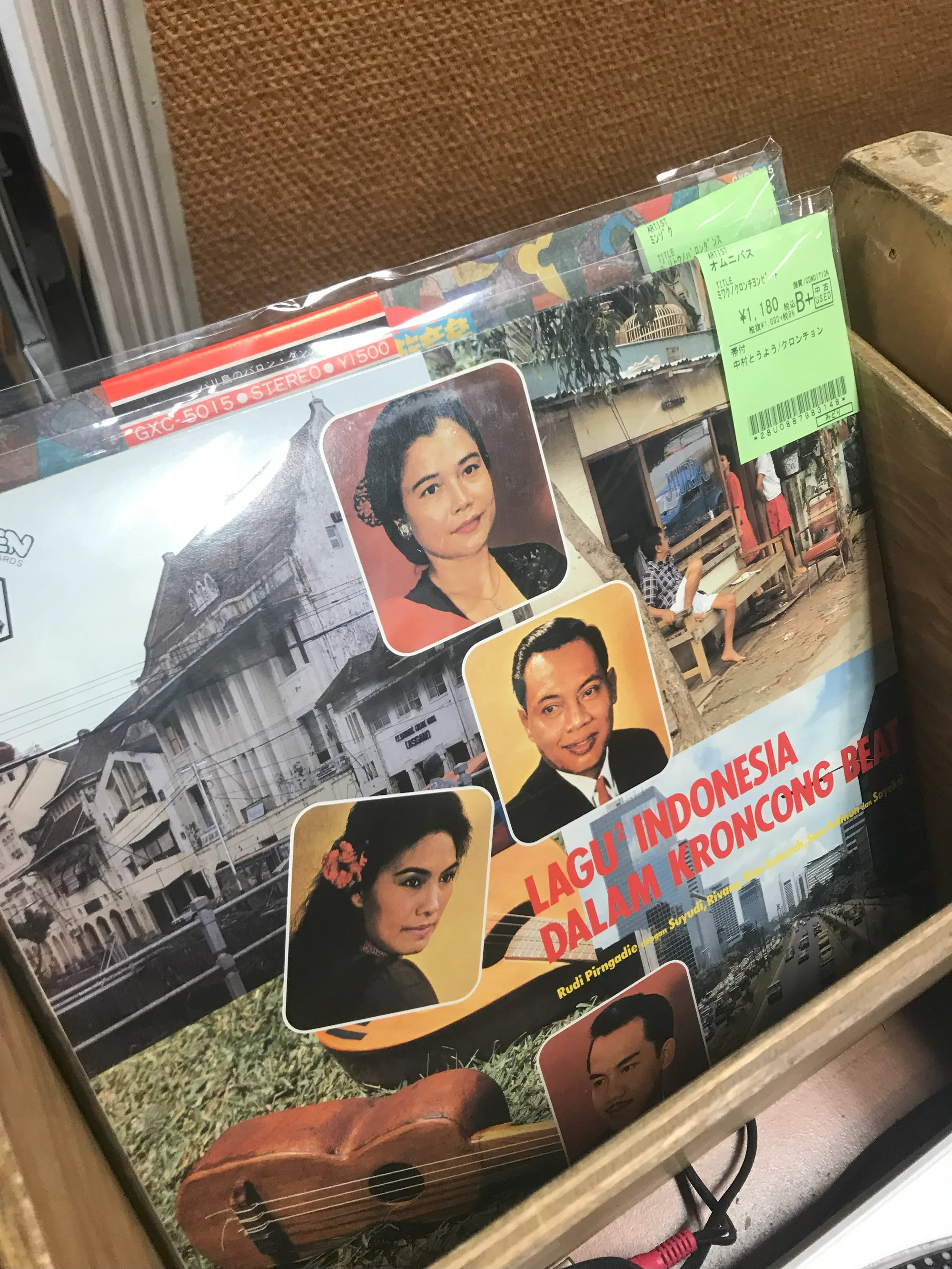
Photos from Park’s visits to record shops across Asia. Photo: Daham Park
Q. What was your first reaction when you were invited to curate the soundscape for AAGFF with space as the theme?
A: Of course I think it’s great. Fundamentally, I believe that a space is essential for people to come together and for ideas to emerge. As someone who has always shared music with people within limited time and space, I’m looking forward to bringing the experiences I’ve had in different spaces and sharing them again with others in the context of M+.
Q: Your sets for AAGFF will feature different genres from Asia, including dangdut, bhangra, and pansori. How do you dig out all of these regional sounds when a lot of them might not get proper releases? What’s your approach in connecting all these sounds?
A: First of all, my research usually starts on the internet. However, the internet always provides rather superficial information, so I think the process of actually collecting the material is very important for me. I consider myself quite old school in that I approach music through physical formats such as tapes and vinyl records, so my digging process is often based on that. When I can’t go in person, I purchase physical media through platforms like Discogs or online marketplaces. When I do go out into the field, I visit record stores, or sometimes I ask people and end up visiting their homes or storage spaces. The way I connect sounds can sometimes be accidental, but fundamentally I try to link tracks based on the information I have—such as country, gender, genre, mood, and keywords. In a way, I think of it as constructing a narrative using the information I perceive.
Q: You’ve spent years building networks across Asia through projects like A-Melting Pot. In your experience, what is a common thread that connects Asian independent musicians?
A: When I first started A-Melting Pot, I was looking for key persons who could play a similar role to mine within their own contexts. I actually believed that across Asia, there were people in similar positions shaped by comparable geographical and historical conditions. I consider geography, history, food, music, and culture to be the basics of connection. But beyond that, I think the real common thread might be the mindset of people who simply keep doing what they believe in, without looking back (laughs).
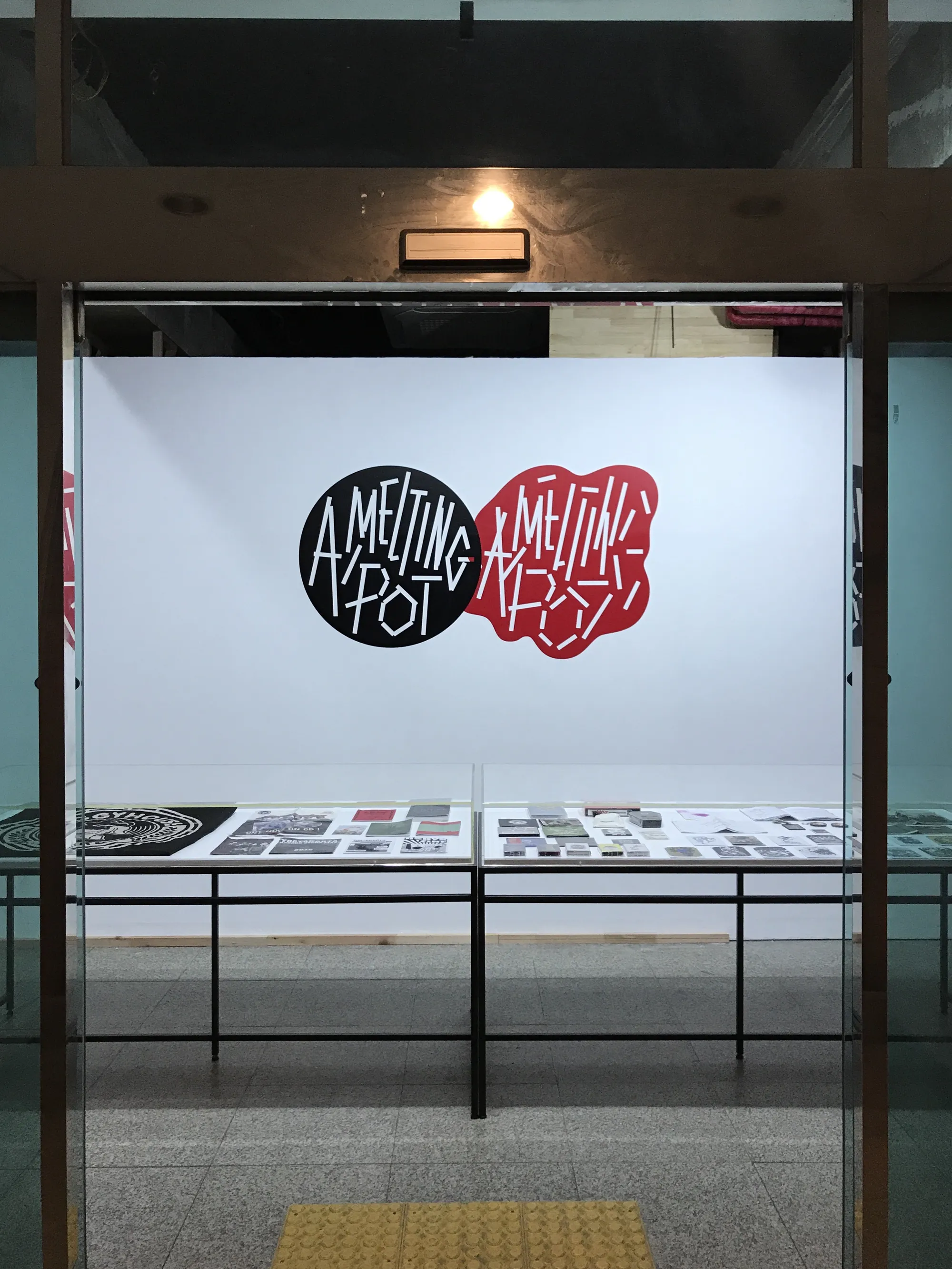
‘A-Melting Pot’, a project co-curated by Daham Park and Boyeon Shin. Photo: Daham Park.
Q: You’ll be performing with several collaborators during AAGFF. How does the energy change when you are collaborating with someone else, versus when you are performing solo?
A: I tend to pay attention to what other performers are playing. Because of that, I start thinking about what kind of music I should prepare as well. But if I think too much, it can sometimes lead to awkward movements, so I try to consider how to think about it in a more natural way. As a DJ, I’m always aware of how music can reshape the way people perceive a space through mood, so I also pay attention to that aspect when collaborating with others.
Q: You are very much a doer and an important community organiser. And we know the scarcity of space is a chronic predicament for artists everywhere. How does the ‘create the culture you want to see’ mindset manifest in your work today, and what tips do you have for local organisers in Hong Kong?
A: I’d like to take this opportunity to express my gratitude to my peers in Seoul. What I do wouldn’t be possible without designers, photographers, musicians, spaces, engineers, and audiences. At a fundamental level, I’m able to continue my work thanks to places like SEENDOSI, ACS, CHANNEL 1969, and MORENE SUKHA, which have been open and supportive of my curatorial projects. Although it varies depending on the musical genre, these four spaces in particular have been a huge help to me.
And honestly, no matter how small the venue, I think it’s important to approach people who understand what you’re trying to do. If I were to give any advice: if you have a clear idea, don’t be afraid to try. There will always be failures, but don’t let that stop you. In the end, it’s the path you chose—so you have to keep believing in it and push forward.
Q: How do you manage to keep the momentum after all these years of collaborating with indie/underground acts? Is there a specific goal that you want to achieve?
A: To be honest, I can say it wasn’t easy getting to where I am now. There were a lot of trials and errors along the way, and through that process, I learned a great deal on the ground by working with many peers.
As for what keeps me going, seeing fellow artists across Asia constantly on the move and actively working has made me feel that I shouldn’t get tired—that I should continue to steadily build what I can in Korea, in Seoul.
In terms of specific goals, I think it’s about sustaining what I’m doing now without burning out, and about how I can flexibly share my ideas with people of a new generation. Ultimately, I see it as a question of how to carry those ideas forward into the future.
Daham Park will perform at ‘In the Zone: A Happening’ and appear in multiple Festival Lounge Offerings at AAGFF 2026.
The interview was conducted by Kelly Li and Sunny Cheung (Curator, Design and Architecture, M+) of AAGFF and Anlin Liang of HKCR. The text is translated and edited by Anlin Liang of HKCR.